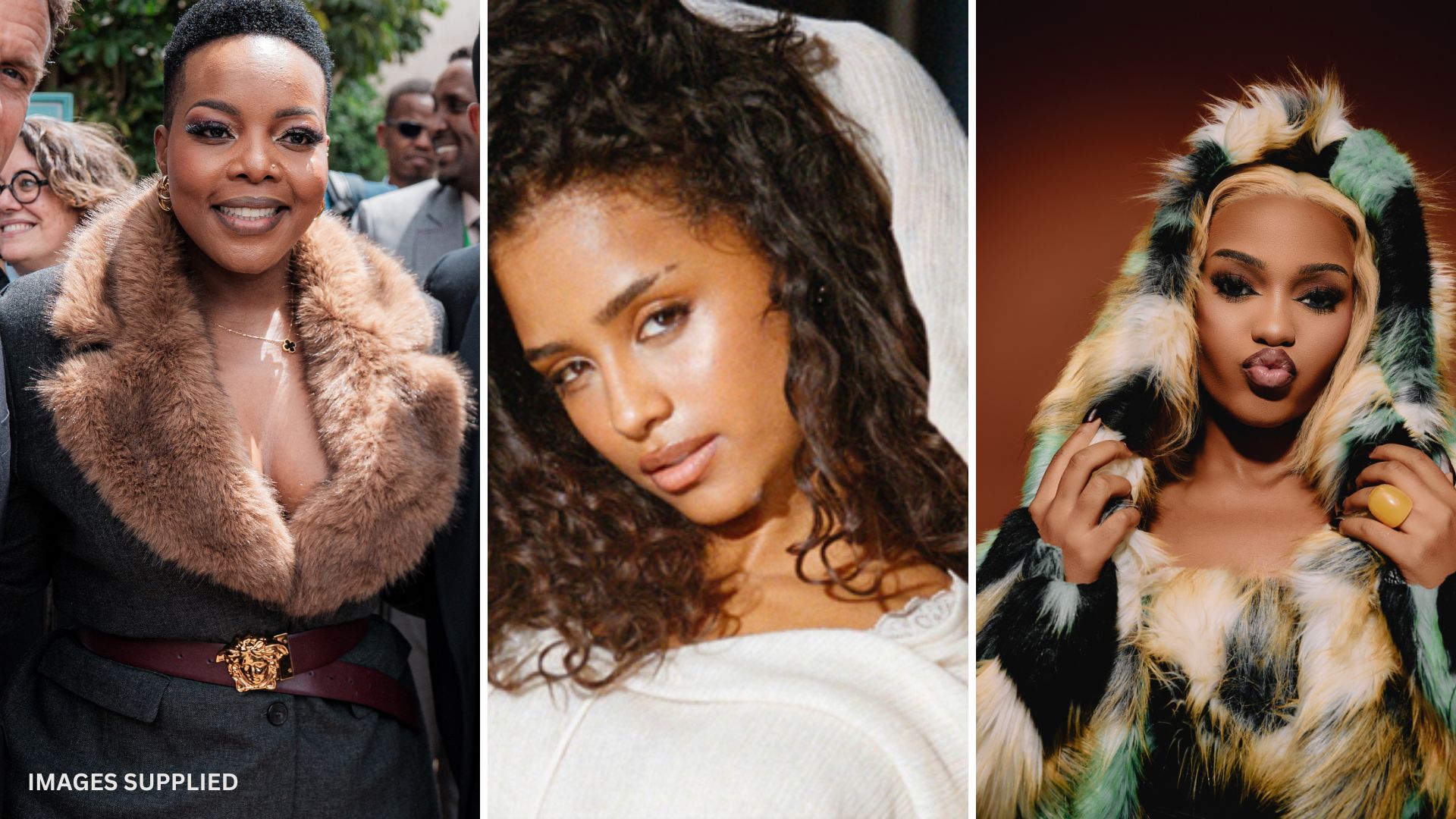
Long before streaming platforms and viral dance challenges, South Africa’s musical identity was being shaped by women whose voices carried the country’s stories across generations. From the political courage of Miriam Makeba to the unapologetic energy of Brenda Fassie, female artists have long been more than entertainers—they have been cultural archivists, storytellers and changemakers.
Today, that legacy is entering a new era.
Fresh data from Spotify reveals that South African women continue to dominate the country’s musical landscape while increasingly capturing audiences far beyond its borders. Since Spotify launched in South Africa in 2018, listening trends show a vibrant ecosystem of established icons and rising stars who are redefining what South African music looks—and sounds—like.
Leading the charge is Tyla, who has cemented herself as South Africa’s most-streamed female artist on the platform. Her meteoric rise has not only transformed her into one of Africa’s biggest musical exports but has also introduced millions of listeners worldwide to South African sounds. Across Spotify’s measured categories, Tyla has amassed more than 7 billion global streams, underscoring the scale of her international appeal.
But Tyla’s success is only one chapter in a much larger story.
Artists such as Nomcebo Zikode, Alice Phoebe Lou, Uncle Waffles and Ami Faku continue to build loyal audiences across continents, proving that South African women are no longer confined to local stages. Whether through amapiano, Afro-pop, alternative music or soulful ballads, they are expanding the country’s cultural footprint in increasingly diverse ways.
A New Generation Takes Centre Stage
While established names continue to thrive, Spotify’s data also highlights a new wave of female artists experiencing remarkable growth.
Azana, Nia Pearl, Boohle, Lady Du and Naledi Aphiwe are among the fastest-growing female musicians on the platform, reflecting the rapid evolution of South Africa’s music scene. Their success illustrates not only the commercial power of amapiano but also the growing appetite for women leading conversations across Afro-pop, soul and electronic music.
These artists represent more than chart success—they reflect changing audiences who are embracing fresh voices while remaining deeply connected to local culture.
The Power Of Singing In Your Own Language
Perhaps one of the most compelling insights from Spotify’s latest data is that global recognition has not come at the expense of cultural authenticity.
Artists including Nomcebo Zikode, Ami Faku, Nkosazana Daughter, Babalwa M and MaWhoo continue to drive millions of streams through music performed in South Africa’s indigenous languages.
It is a reminder that audiences increasingly value music that feels rooted in identity. Songs performed in isiZulu, isiXhosa, Sesotho and other local languages continue to resonate with listeners at home while simultaneously finding audiences abroad, demonstrating that authenticity has become one of South Africa’s strongest cultural exports.
More Women, More Stories
Spotify’s catalogue also reflects the growing diversity of South Africa’s music industry.
Today, more than 780 South African female artists have music available on the platform. Nearly 700 of them were streamed by international audiences over the past year, while 645 female artists found listeners within South Africa itself.
These figures point to a thriving creative ecosystem where women are no longer exceptions—they are helping define the country’s sound across multiple genres.
Carrying The Legacy Forward
Women’s Month offers an opportunity to celebrate the women whose voices have documented South Africa’s past while shaping its future.
From Miriam Makeba’s global activism and Brenda Fassie’s fearless cultural influence to Tyla’s record-breaking international success, South African women have consistently redefined what is possible through music.
Spotify’s latest listening insights suggest that this momentum is only accelerating.
As more women command global stages without losing sight of their local roots, they continue to prove that South Africa’s soundtrack is not only evolving—it is increasingly being written by women whose voices resonate far beyond the country’s borders.
Spotify’s Top Female Artists Since 2018
Most-Streamed South African Female Artists
- Tyla
- Nomcebo Zikode
- Alice Phoebe Lou
- Babalwa M
- MaWhoo
- Zee Nxumalo
- Nkosazana Daughter
- Uncle Waffles
- Ami Faku
- Makhadzi
Fastest-Growing Female Artists
- Azana
- Nia Pearl
- Boohle
- Lady Du
- Tyla
- Naledi Aphiwe
- DBN Gogo
- Ami Faku
- Nomfundo Moh
- Shandesh
Female Artists With The Largest International Audiences
- Tyla
- Nomcebo Zikode
- Alice Phoebe Lou
- Moonchild Sanelly
- Busiswa
- Miriam Makeba
- Yugen Blakrok
- Uncle Waffles
- Babes Wodumo
- Ami Faku