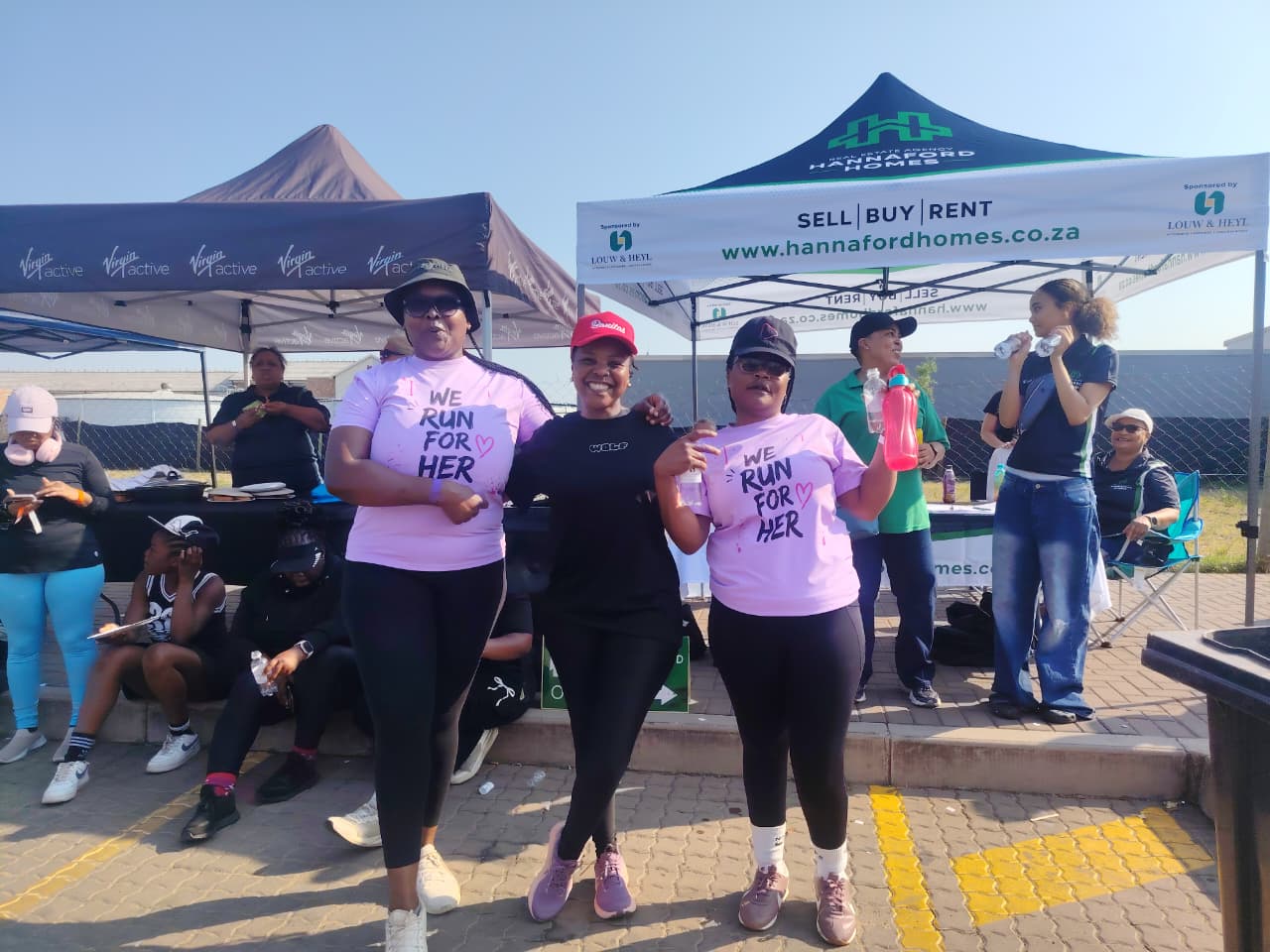
Against the backdrop of growing concern over gender-based violence and the discovery of 11 women’s bodies in Ekurhuleni since July, the Dakalo ya Pfunzo Foundation hosted “We Run For Her”, a 5km run aimed at turning grief and fear into community action.
“Gender-based violence, as well as the daily fear women experience when moving through their own communities,” Itumeleng Joyce Mokone told IMARA. “As a woman, a GBV survivor and a community leader, this cause is deeply personal to me.”
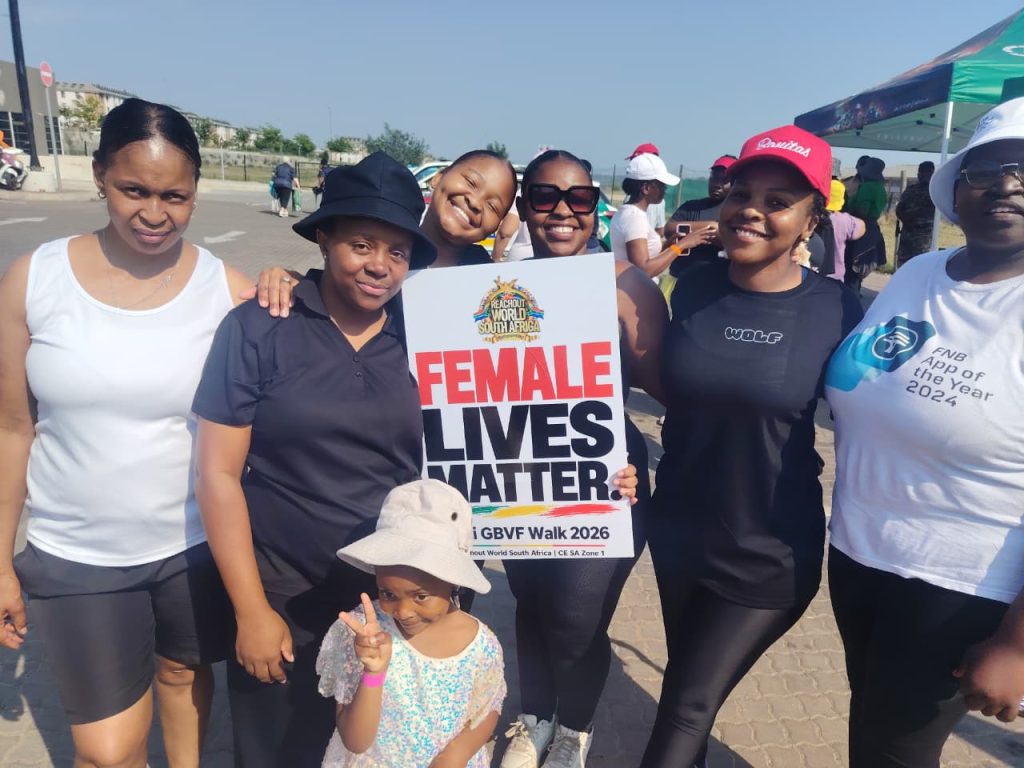
On Saturday, Mokone’s non-profit organisation, based in Riverside View/Diepsloot, Johannesburg, held the 5km run to raise awareness around gender-based violence and create a space for women and their allies to stand together against violence.
The initiative was inspired by women whose lives have been lost to GBV, as well as the fear many women continue to experience in their communities. But for Mokone, the event was about more than remembrance. It aimed to connect women with practical support, information and organisations that can assist survivors.
The event comes amid growing concern over violence against women in South Africa. In his September 29 address to the nation, President Cyril Ramaphosa said 11 women’s bodies had been found in Ekurhuleni since July.
“The names of the victims are new. The crime is not,” Ramaphosa said, describing violence against women as “a source of profound pain and national shame.”
He also acknowledged shortcomings in the government’s response, saying: “What we have done has not been enough. We need to do much more.”
Ramaphosa announced measures including a national review of unresolved GBV cases, efforts to reduce forensic backlogs and women’s safety audits in municipalities.
For Mokone, however, tackling GBV cannot rest with government alone.
“The main message was that women have the right to live, walk, run and move freely without fear,” she said. “Violence against women is not only a women’s issue, it is a community crisis that requires all of us to take responsibility.”
SAPS, community leaders and organisations working against GBV also participated in the event, providing information on reporting incidents and where women can seek assistance.
“Sometimes people are surrounded by potential support but simply do not know that it is available,” Mokone said.
For participants, the run became a symbol of solidarity and remembrance.
“Every step represented a woman whose life was taken, a survivor who continues to heal and every woman who deserves to feel safe,” Mokone said.
Mokone said the organisation does not want “We Run For Her” to become a once-off campaign. It plans to strengthen relationships between residents, SAPS, community leaders and organisations supporting women, while continuing conversations around GBV in families, schools, churches and community structures.
“We do not want ‘We Run For Her’ to become an event that happens once and is then forgotten,” she said.
“The run may have ended, but the responsibility to protect, support and advocate for women continues.”