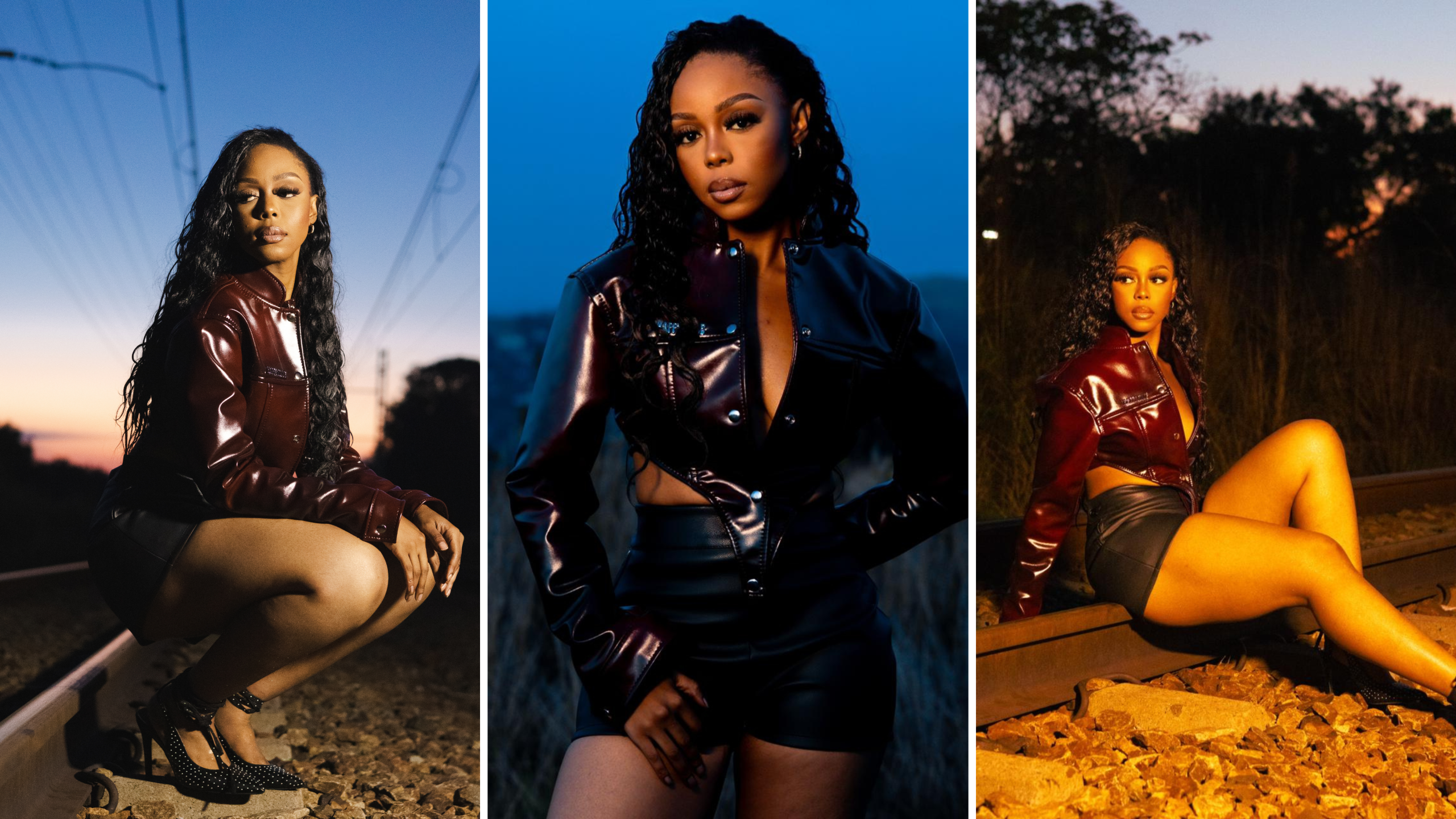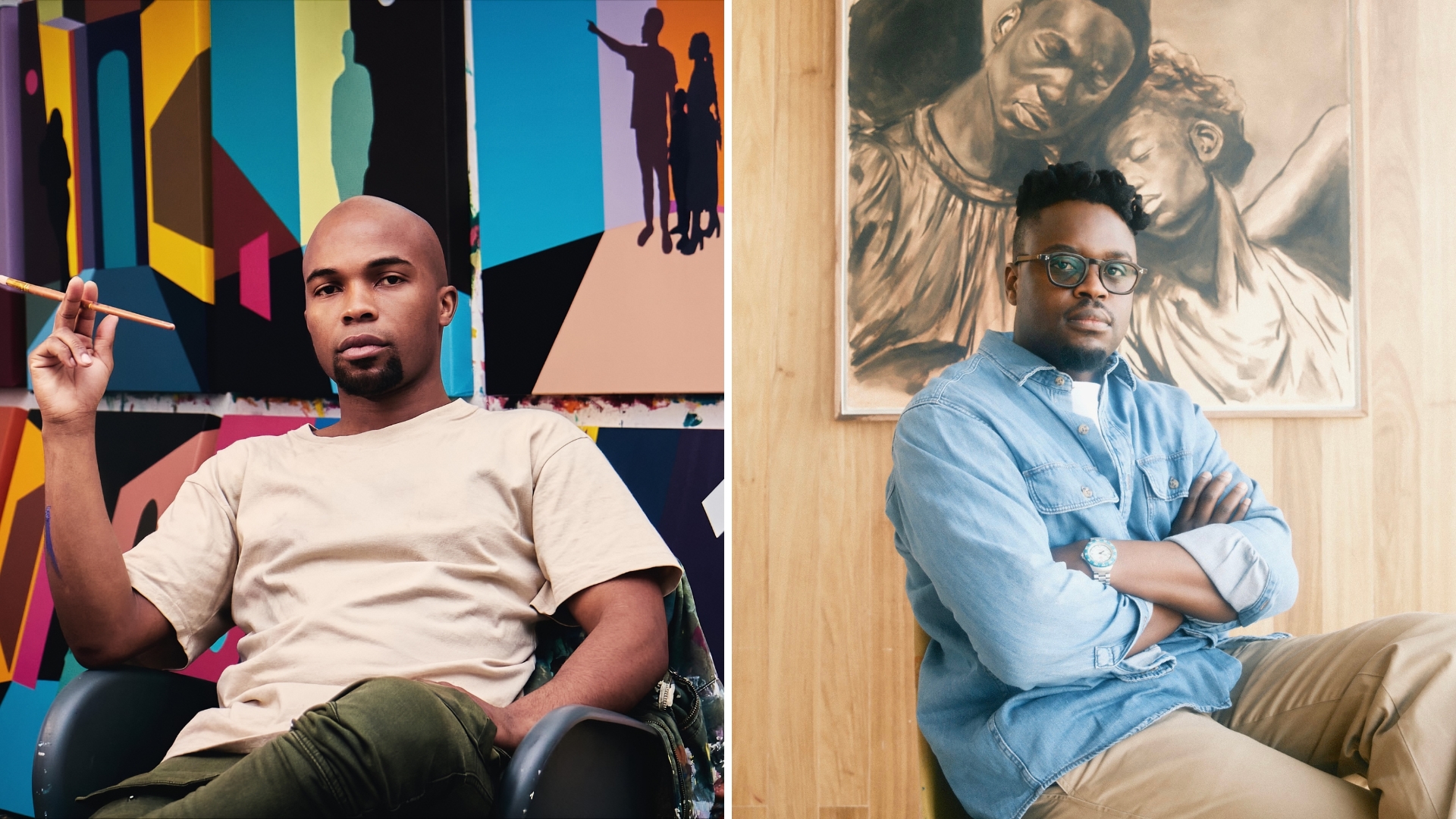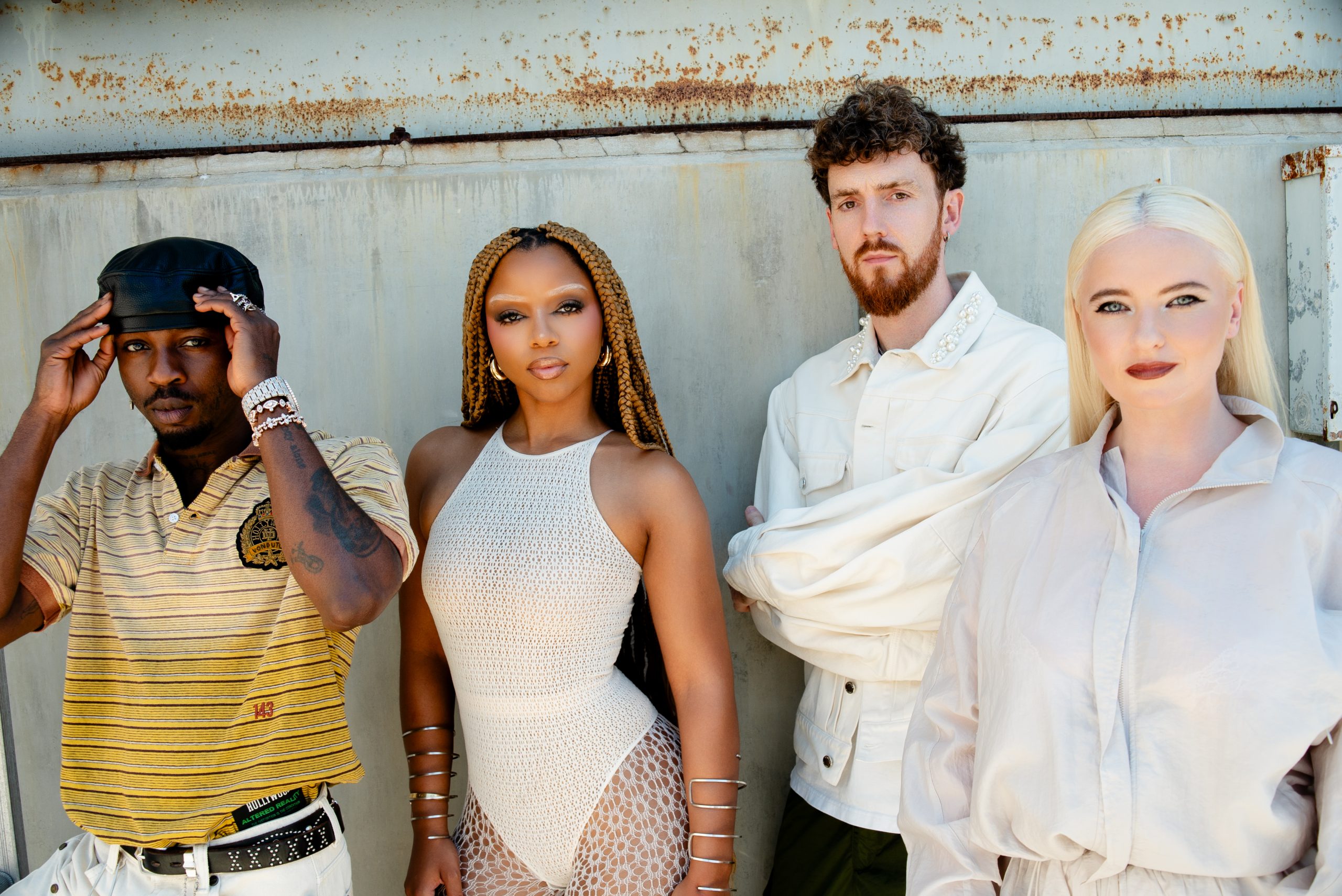
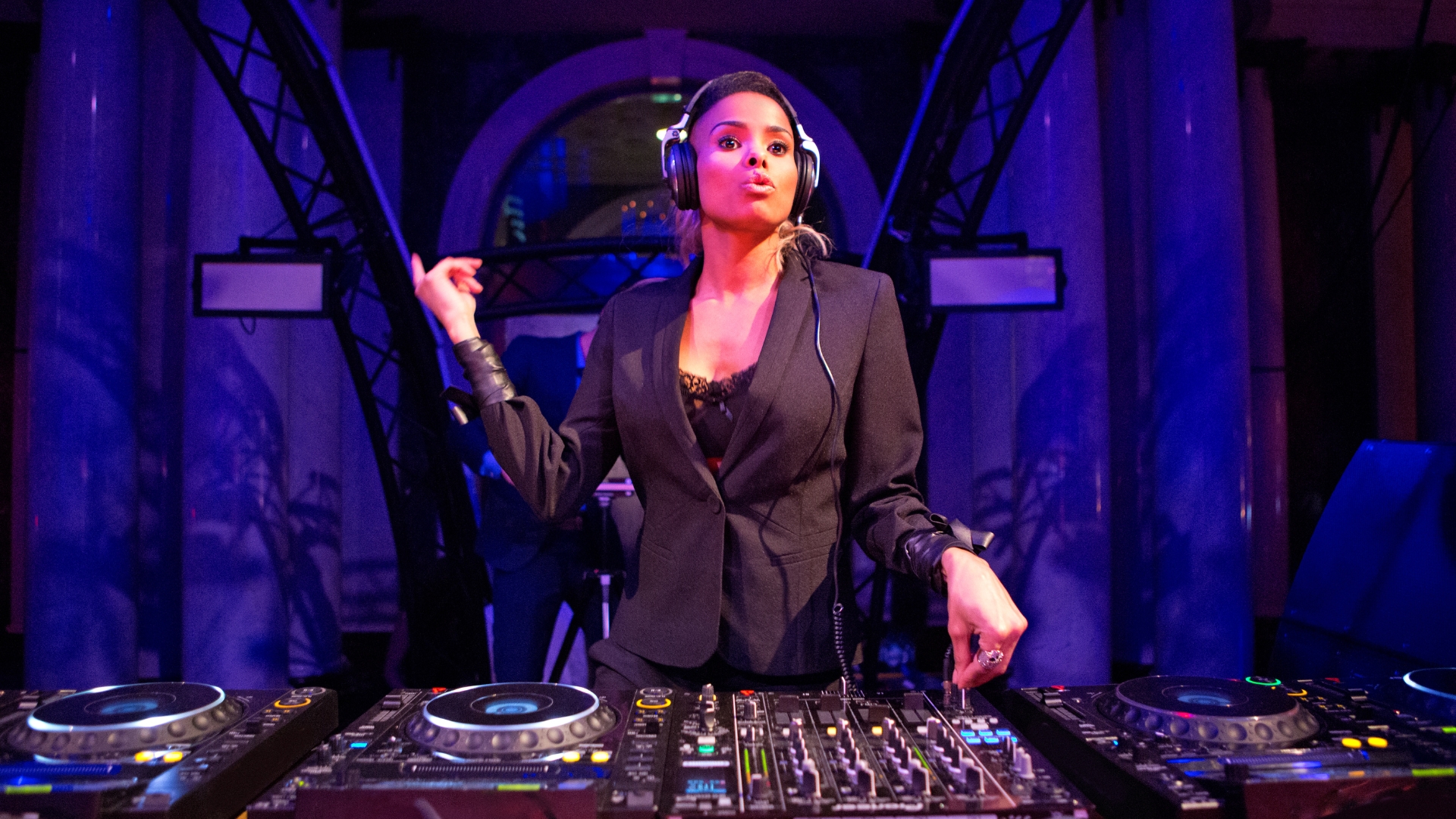
There was a time when the most important person in the room wasn’t the one on stage.
They were behind it. Behind the boards. Behind the beat. Building the sound that everyone else would eventually perform, dance to, and take credit for.
Producers and DJs have always been the engine of music. They’ve just rarely been treated like it.
That’s changing—and it’s about time.
In April, DBN Gogo made history, becoming the first South African female DJ to complete a 24-hour set. Beyond the stamina and spectacle, the moment felt symbolic. It wasn’t just about endurance—it was about visibility. About a DJ claiming space in a way that was once reserved for front-facing stars.
And she’s part of a much bigger shift.
Artists like Kabza De Small and DJ Maphorisa have long been the architects of amapiano’s global sound. For years, they were shaping hits, defining genres, and moving culture—often while standing just outside the spotlight.
Now, they are the spotlight.
Kabza’s rise from producer to headline act, commanding arenas and curating entire sonic movements, signals a deeper change in how we understand authorship in music. The same can be said for Maphorisa, whose influence cuts across genres, borders, and eras—less a participant, more a system of sound in himself.
And it’s not just South Africa.
Across the continent, producers are stepping forward. In Nigeria, figures like Pheelz—once known primarily for crafting hits behind the scenes—have transitioned into full-fledged artists, claiming both the beat and the voice.
This shift matters.
Because for decades, the industry has centred the performer while quietly relying on the producer. The voice was celebrated. The sound was assumed.
But in genres like amapiano, afrobeats, and AfroTech, that hierarchy doesn’t quite hold. These are producer-led ecosystems. The texture, the rhythm, the arrangement—the feeling of the music—begins at the production level.
The producer isn’t supporting the song.
They are the song.
So what we’re seeing now isn’t a trend—it’s a correction.
A long-overdue recognition of the people who have always been doing the heavy lifting creatively.
There’s also something else at play: audiences are changing.
We’re listening differently. We’re not just attached to lyrics or voices—we’re attached to vibes. To the way a set flows, how a mix evolves, how a DJ holds a room together over hours, not minutes.
A 24-hour set like DBN Gogo’s speaks directly to that. It’s not about a single hit. It’s about control, curation, and connection over time. It’s about trust—an audience willing to stay with a DJ because they understand the journey.
That’s a different kind of stardom.
And then there’s technology.
The tools to produce, distribute, and perform music are more accessible than ever. That accessibility has created a generation of artists who don’t need to choose between being a producer and a performer. They are both.
Which means they don’t have to stay in the background.
For a long time, being “behind the scenes” was positioned as a limitation. Now, it feels more like a foundation—one that producers are building on as they step forward.
And culturally, it feels necessary.
Because visibility shapes value.
When producers remain invisible, their contribution is often underestimated. When they step into the foreground, it reframes the entire ecosystem—who gets credit, who gets paid, who gets to define the culture.
So seeing Kabza headline. Seeing Maphorisa command global stages. Seeing Pheelz move from hitmaker to artist. Seeing DBN Gogo hold a crowd for 24 hours straight—it all signals the same thing:
The people who built the sound are no longer staying behind it.
And maybe the real question isn’t why DJs and producers are stepping into the spotlight now.
It’s why it took this long.
End.