
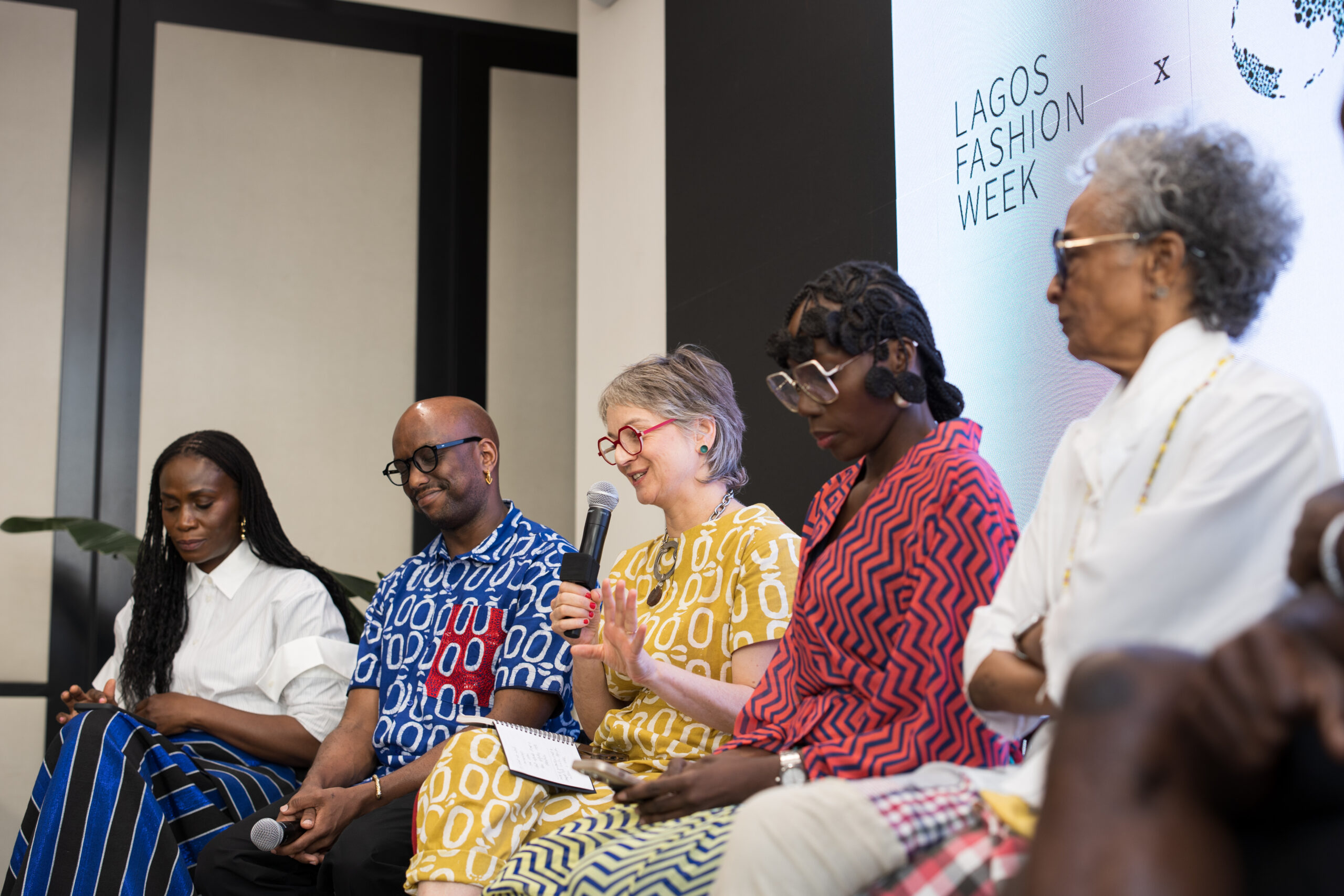
As the global fashion industry grapples with mounting pressure to address climate change, waste and inequity across its supply chains, African fashion leaders are making a case for a different future—one rooted in traditions the continent has practiced for generations.
At London Climate Action Week on June 22, Lagos Fashion Week unveiled The Blueprint for a Regenerative Fashion Future, a manifesto developed by the African Fashion Coalition in partnership with The Earthshot Prize. The declaration positions Africa not merely as a participant in conversations about sustainable fashion, but as a leader in shaping what comes next.
The manifesto arrives at a critical moment for the global fashion industry, which faces growing scrutiny over its environmental footprint and production models. Yet rather than presenting new solutions, the coalition argues that many of the principles now being championed as pathways to sustainability—repair, reuse, local production, stewardship and circularity—have long been embedded in African cultural and fashion systems.
“The Blueprint for a Regenerative Fashion Future reflects a shared vision rooted in African realities,” said Omoyemi Akerele, Founder and Executive Director of Lagos Fashion Week, which won the 2025 Earthshot Prize in the Build a Waste-Free World category.
For Akerele, the issue extends beyond sustainability to ownership and economic participation.
“For generations, Africa has supplied the materials, craftsmanship and creativity that shape global fashion while capturing little of the value it helps create,” she said during the launch.

The numbers underscore that imbalance. Africa exports an estimated US$15 billion worth of raw textiles annually while importing more than US$23 billion in finished clothing and footwear. According to the coalition, the challenge is not a shortage of talent or creativity, but rather a lack of ownership across value chains.
The manifesto calls for greater investment in local manufacturing, infrastructure, intellectual property protection and market access, arguing that more value should remain on the continent where ideas, resources and labour originate.
Developed through a series of consultations, workshops and stakeholder engagements led by Lagos Fashion Week and The Earthshot Prize, the document reflects contributions from designers, researchers, sustainability advocates, educators, artisans and entrepreneurs from across Africa’s fashion ecosystem.
Among those involved in shaping the framework were Akerele; Simone Smit, Director of Africa at The Earthshot Prize; Adama Ndiaye, founder of Dakar Fashion Week; Mahlet Teklemariam, founder of Hub of Africa Fashion Week; Liz Ricketts, founder of The Or Foundation; Renee Neblett, founder of Kokrobitey Institute; and Sunny Dolat of The Nest Collective.
Structured around ten pillars, the manifesto addresses issues ranging from cultural heritage and circularity to waste justice, regenerative innovation, local manufacturing and conscious consumption. Together, the pillars aim to provide a roadmap for building more resilient and inclusive fashion systems across the continent.
The coalition’s message is that Africa’s role in fashion should no longer be limited to supplying raw materials or serving as a source of creative inspiration. Instead, the continent should be recognised as a driver of innovation and a key architect of the industry’s future.
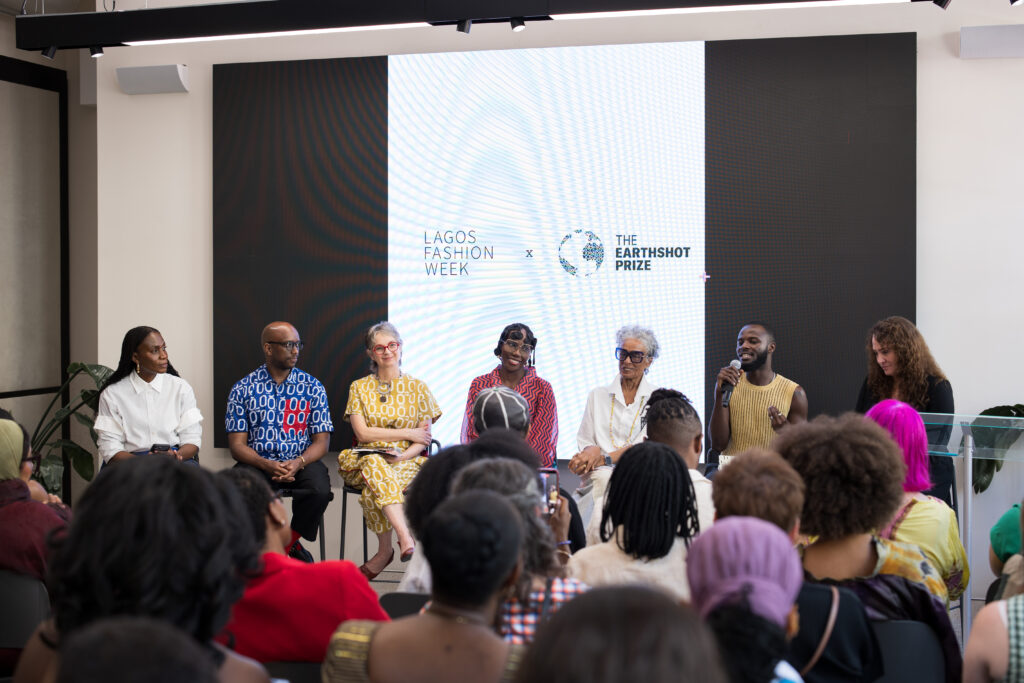
” Africa is not just participating in the global environmental movement, it’s leading it,” said Simone Smit, Director of Africa at The Earthshot Prize.
“The role played by Lagos Fashion Week in shaping the manifesto, in collaboration with other leaders, has demonstrated that the most impactful solutions are those that combine innovation with local knowledge and the people closest to the challenge.”
As conversations around sustainability continue to reshape the fashion industry, the African Fashion Coalition hopes the manifesto will serve as more than a declaration of intent. The document has been opened for endorsement by individuals and organisations across the global fashion ecosystem, with its authors calling for collective action to move from aspiration to implementation.
For Africa’s fashion leaders, the future is not simply about making fashion less harmful. It is about building systems that are regenerative, equitable and designed to ensure that the value created on the continent remains there.